The Plateau State Government has stepped up measures to guard against the possible spread of Ebola Virus Disease (EVD), with plans to intensify public sensitisation, strengthen disease surveillance, prepare isolation facilities and improve infection prevention practices among healthcare workers.
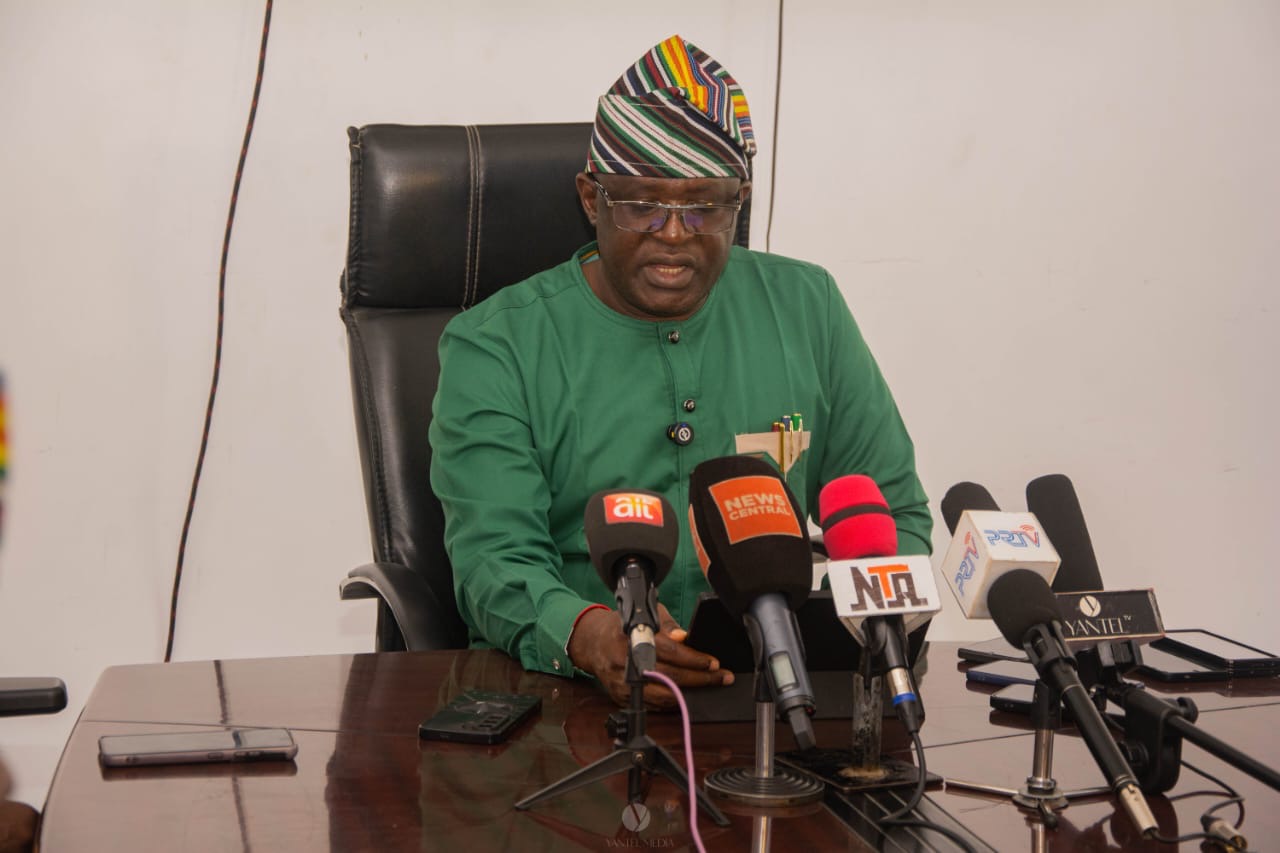
The Plateau State Commissioner for Health, Dr. Nicholas Ba’amlong, disclosed this while briefing journalists on the government’s response to the reported imported Ebola case in Nigeria and the steps being taken to protect residents of Plateau State.
The Federal Government reportedly confirmed an imported case in the Federal Capital Territory (FCT) on October 20, 2026, involving a woman who had recently arrived from Uganda. Following the confirmation, the patient was isolated for medical care, while 44 close contacts were identified for monitoring.
In response to the development, the Nigeria Centre for Disease Control and Prevention (NCDC) activated national preparedness measures, prompting state governments to strengthen their capacity to detect, report and respond to potential cases.
The Commissioner explained that Plateau had previously conducted public enlightenment campaigns on Ebola through radio jingles and other communication channels. According to him, the campaigns are being revived to ensure residents understand the risks associated with the disease and the precautions necessary to prevent infection.
The state is also producing information, education and communication materials for distribution through appropriate public health channels.
He disclosed that funds earlier released by the state government for Ebola containment had not been utilised and would now be deployed through the State Epidemiology Unit to support preparedness and response activities.
As part of efforts to strengthen early detection, the Commissioner said the State Epidemiology Unit had been directed to review preventive measures at the airport and reinforce surveillance in local government areas bordering neighbouring states.
Health facilities in border communities, including areas around Naraguta, are also being alerted to promptly report suspected cases to the relevant authorities.
The government has identified isolation facilities at Plateau Specialist Hospital and Jos University Teaching Hospital (JUTH) for the management of suspected Ebola cases.
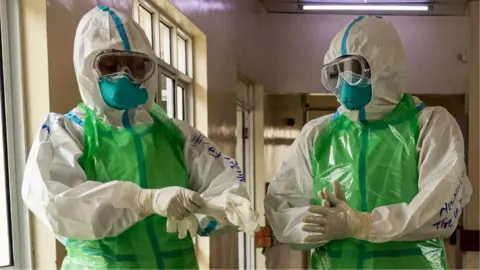
The Ministry of Health is also working to strengthen infection prevention and control training for healthcare workers to improve their readiness to manage suspected cases while minimising the risk of transmission within health facilities.
The Commissioner noted that Plateau’s airport and interstate borders present potential entry points for infectious diseases, making early detection and preventive action particularly important.
He stressed that the state was strengthening its preparedness to prevent Ebola from gaining a foothold in Plateau.
Ebola Virus Disease is a severe illness caused by viruses in the Orthoebolavirus group. It can lead to serious complications and death, making early recognition and prompt medical attention essential.
The infection is primarily transmitted through direct contact with the blood or other bodily fluids of an infected person who is experiencing symptoms. Transmission can also occur through contaminated materials, such as clothing, bedding and medical equipment, as well as contact with infected animals or the bodies of people who have died from the disease.
Ebola is not generally spread through the air during ordinary social interactions, unlike airborne infections such as measles. People who have not developed symptoms do not transmit the disease.
Possible symptoms include fever, headache, unusual tiredness, muscle pain, sore throat, vomiting, diarrhoea and abdominal pain. In some cases, unexplained bleeding may occur.
Because these symptoms can resemble malaria and other illnesses, anyone experiencing them after a possible exposure should seek prompt medical assessment.
Residents are encouraged to take the following precautions:
- Maintain proper hand hygiene: Wash your hands frequently with soap and running water or use an appropriate alcohol-based hand sanitiser.
- Avoid contact with bodily fluids: Do not touch the blood, vomit, stool or other bodily fluids of anyone suspected of having Ebola.
- Do not handle potentially contaminated items: Avoid direct contact with clothing, bedding, needles or medical equipment that may have been contaminated.
- Observe safe burial practices: Never handle the body of a person suspected to have died from Ebola. Trained public health personnel should manage suspected cases involving unsafe burial risks.
- Report symptoms and possible exposure promptly: Contact a health facility or public health authority if you develop compatible symptoms following possible exposure. Inform health workers about your symptoms, travel history and any known contact with a suspected case.
- Rely on verified information: Follow updates from the NCDC, the Federal Ministry of Health and Social Welfare, the Plateau State Ministry of Health and the World Health Organisation (WHO).
Residents are also advised against spreading unverified reports or discriminating against individuals because of their nationality, ethnicity or travel history. Public cooperation and accurate information are essential to an effective outbreak response.
The Plateau State Government has urged residents to remain calm, vigilant and responsive to public health advice as it continues to monitor developments and strengthen its preparedness arrangements.
The Commissioner emphasised that effective surveillance, timely reporting of suspected cases, public awareness and strict infection prevention measures would be critical to protecting communities across the state.
As health authorities continue to monitor the situation, residents are encouraged to cooperate with public health officials and obtain information from credible sources rather than rely on rumours.